Curricular

We believe education is based on acquiring core
skills and knowledge taught through integrated experiences.

Our academic programme is designed to provide a creative space and means for students to delve deeper and beyond syllabus. In every area, we stress on critical thinking and an open approach to explore multi-dimensions. The institution has a diverse mix of teaching faculty and is geared to utilize innovative tools and methodologies to ensure that each child is provided the tools and support to actualize their academic potential.

The school is one of the progressive alternative residential schools in India, affiliated to the CISCE Board (www.cisce.org). The school starts from Grade 4 and goes up to Grade 12.

From grade 4 – 8 we focus on developing the fundamental skills – Explanation, Interpretation, Application, Perspective, Empathy and Self Knowledge. The emphasis is on collaborative learning rather than direct teaching, which is student centric. Students are taught spoken Sanskrit – as the language is the cultural base of all Indian thought.

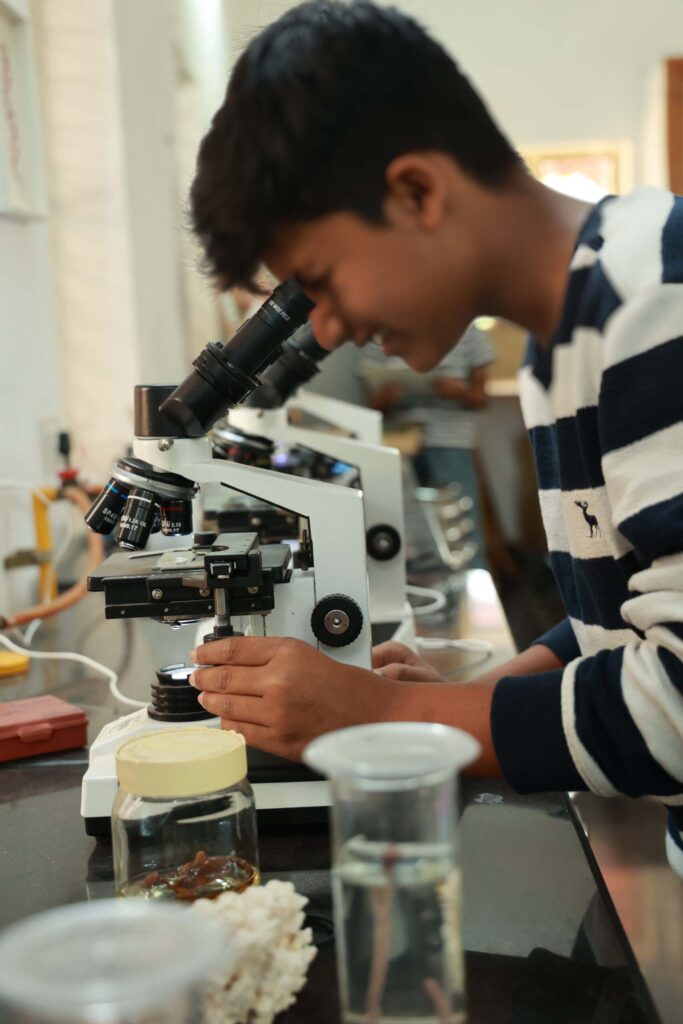
From grade 9 – 12 the course becomes more rigorous. There is a greater focus on the board examinations. Students make use of multi-media facilities, a comprehensive library and well-equipped laboratories in their efforts to research, understand and excel in subjects.

A variety of assessment tools are used which may be formative, diagnostic, summative, evaluative or informative. When a concept is taught, the objectives are clearly specified and assessed using national/international benchmarks. At the end of each term, parents receive a comprehensive report regarding the progress of their child.

Professionals are invited to conduct workshops to share and interact with students on a variety of topics for a broader perspective.

Curricular - Learning - TPGS

A Typical Day at TPGS

6:30 Yoga / Athletics
/ Music
7:30 Breakfast
8:15 Assembly /
Homeroom
9:00 Classes
10:30 Milk Break

12:15 Lunch
13:00 Silent Time

14:00 Classes
15:30 Snacks

15:45 Music
17:00 Sports

18:00 Fruits & Juice
19:15 Dinner

20:00 Night Prep /
Story Time
21:00 Milk & Dry Fruits
21:30 Bedtime
A Typical Day at TPGS
6:30 Yoga / Athletics
/ Music
🧘
🍞
7:30 Breakfast
8:15 Assembly /
Homeroom
🏫
📚
9:00 Classes
10:30 Milk Break
🥛
🍜
12:30 Lunch
15:00 Snacks
🍎
🔬
15:30 Classes
17:00 Sports
🏀
🍊
18:00 Fruits & Juice
19:15 Dinner
🍽️
📖
20:00 Prep /
Story Time
21:00 Milk Before
Bedtime
🌙
Houses - The Peepal Grove School

Houses

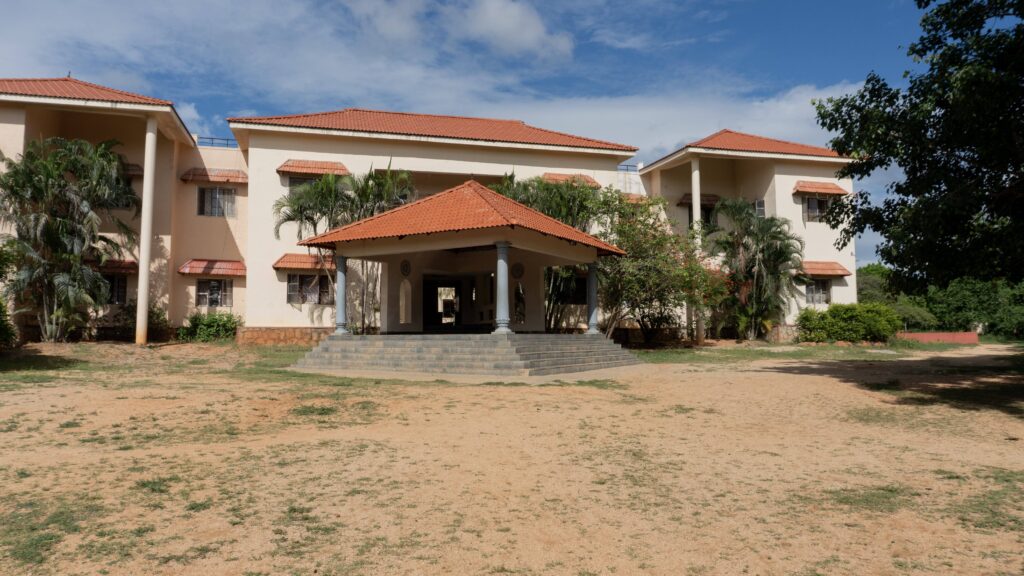
Our boarding facilities are thoughtfully designed to meet the needs of different age groups. Boys and girls are housed in separate hostels, with age-appropriate spaces that foster both independence and a sense of belonging. Life in the hostels is guided by values of respect, openness, and fairness, creating a supportive and inclusive community. Each dormitory accommodates no more than eight students, ensuring comfort and close-knit living, while convenient laundry facilities add to the ease of daily life.

House parents serve not just as caregivers, but as trusted companions, while older students naturally step into mentoring roles. The environment is intentionally informal and nurturing, allowing for spontaneous moments of joy and learning—bedtime stories, letter writing, castle building, stargazing, treasure hunts, and unhurried daydreaming. Free from the distractions of gadgets and long daily commutes, children gain the gift of time—time to cultivate skills, pursue interests, discover talents, explore their surroundings, and learn the values of sharing and community within a diverse, multicultural setting.

The campus is home to not just students, but also over 90 species of birds. In celebration of this biodiversity, the houses are named after birds:

Learning all
the time

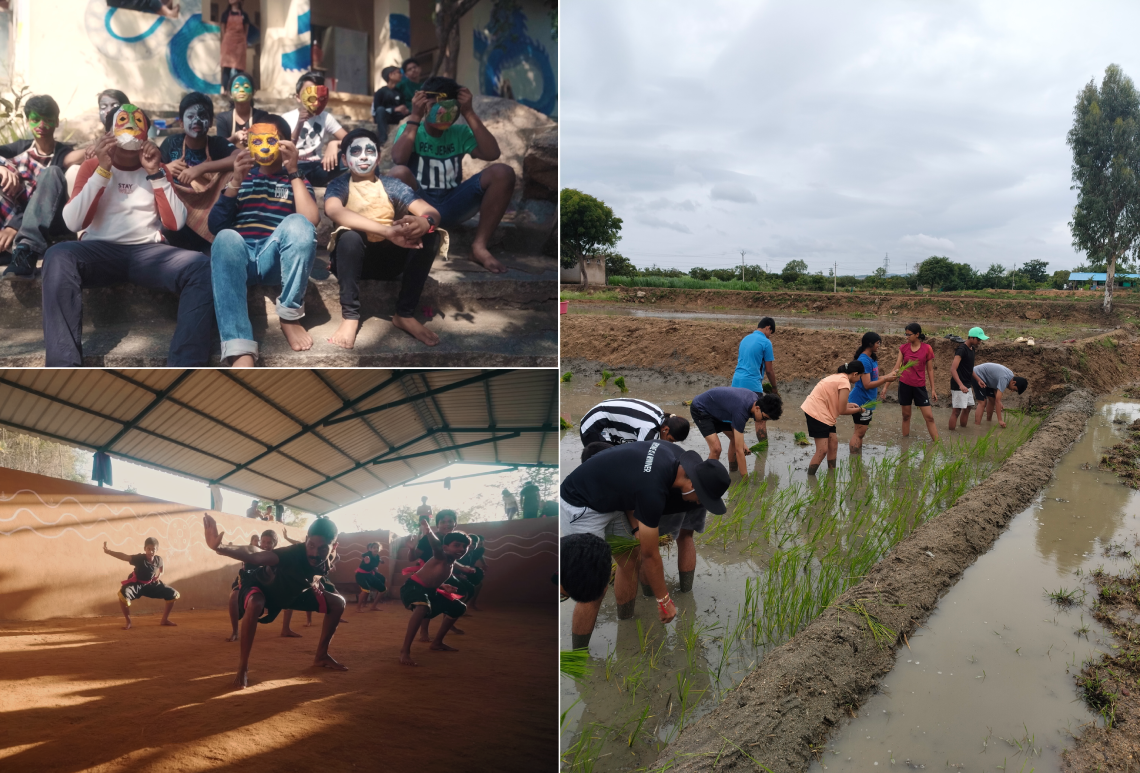
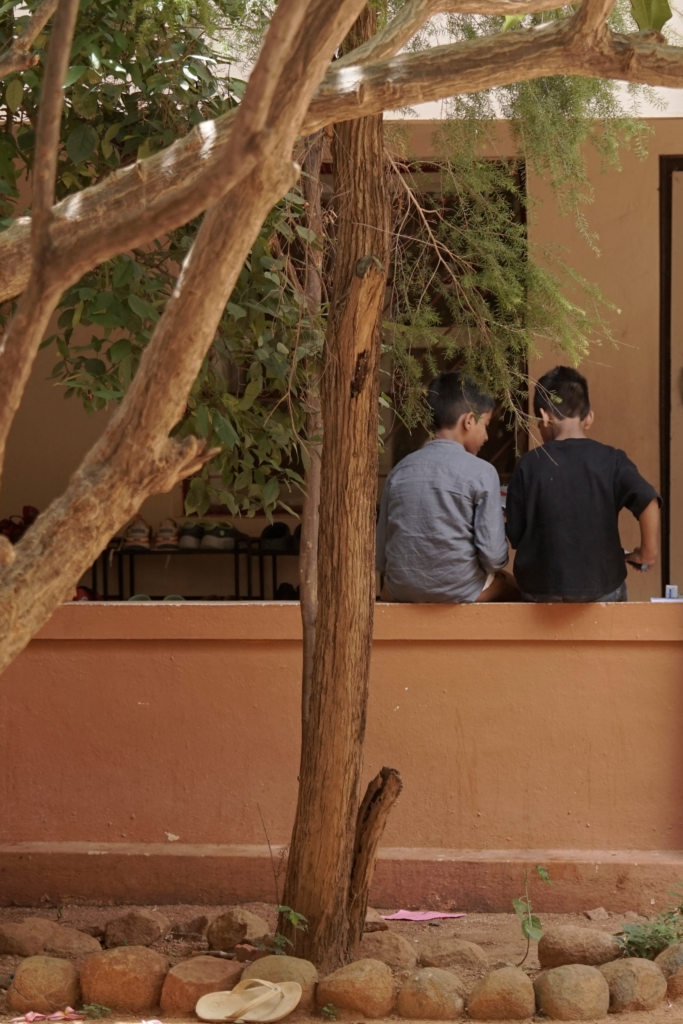
We believe that learning isn’t restricted to classrooms. Therefore hands-on activities are considered an integral part of our academic programme.

Sports, art, pottery, dance, music, drama, yoga asanas and the ancient martial art form of Kalaripayattu are an intrinsic part of our programme and students are encouraged to pursue them with equal vigour.

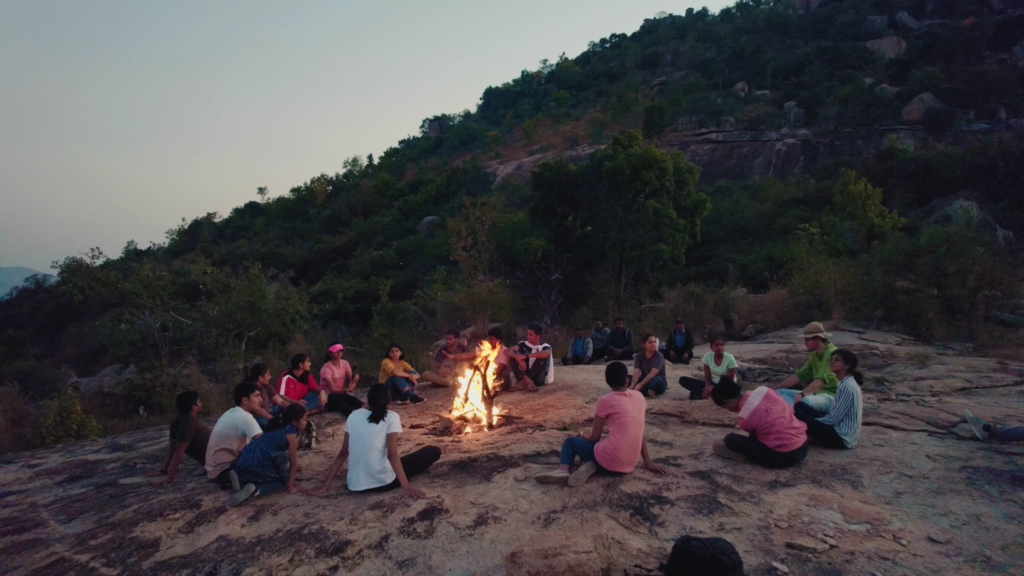
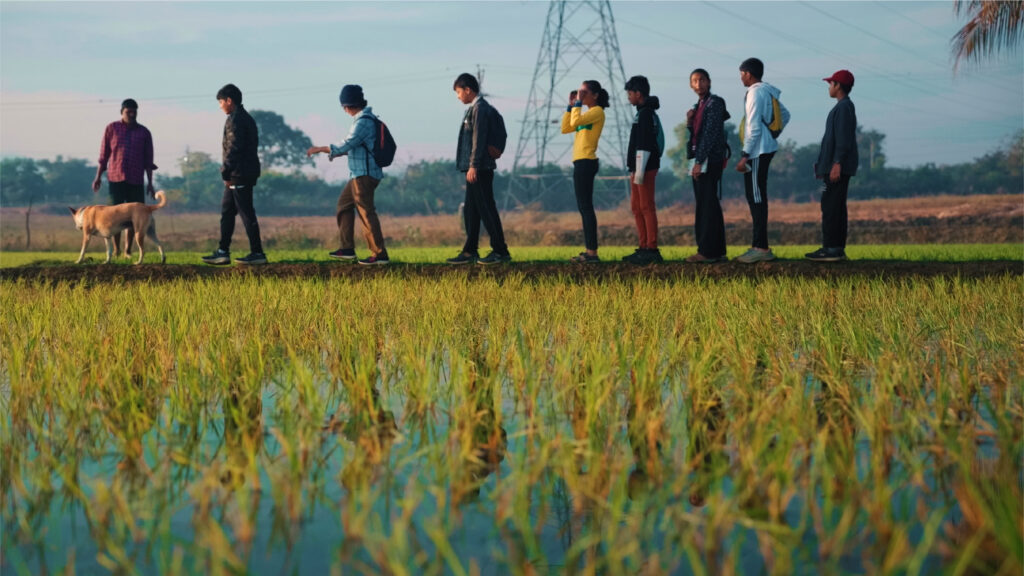
Once a term, students of all grades are taken for a day trek.

Grade 11 and 12 are taken for a night camp to the neighbouring hillock where they set up tents, build a fire, cook a basic meal and learn to live frugally in the outdoors.

Sports

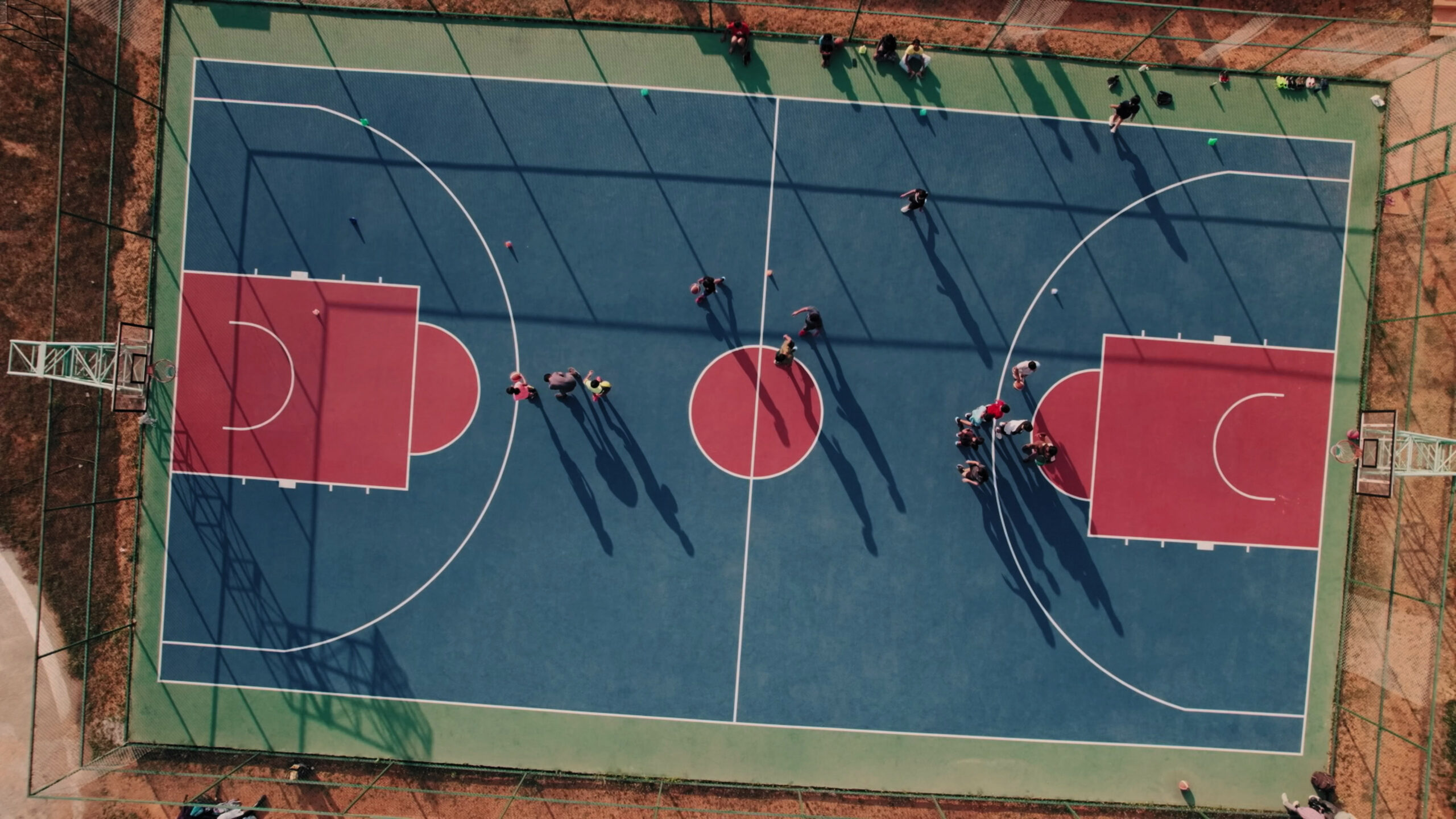
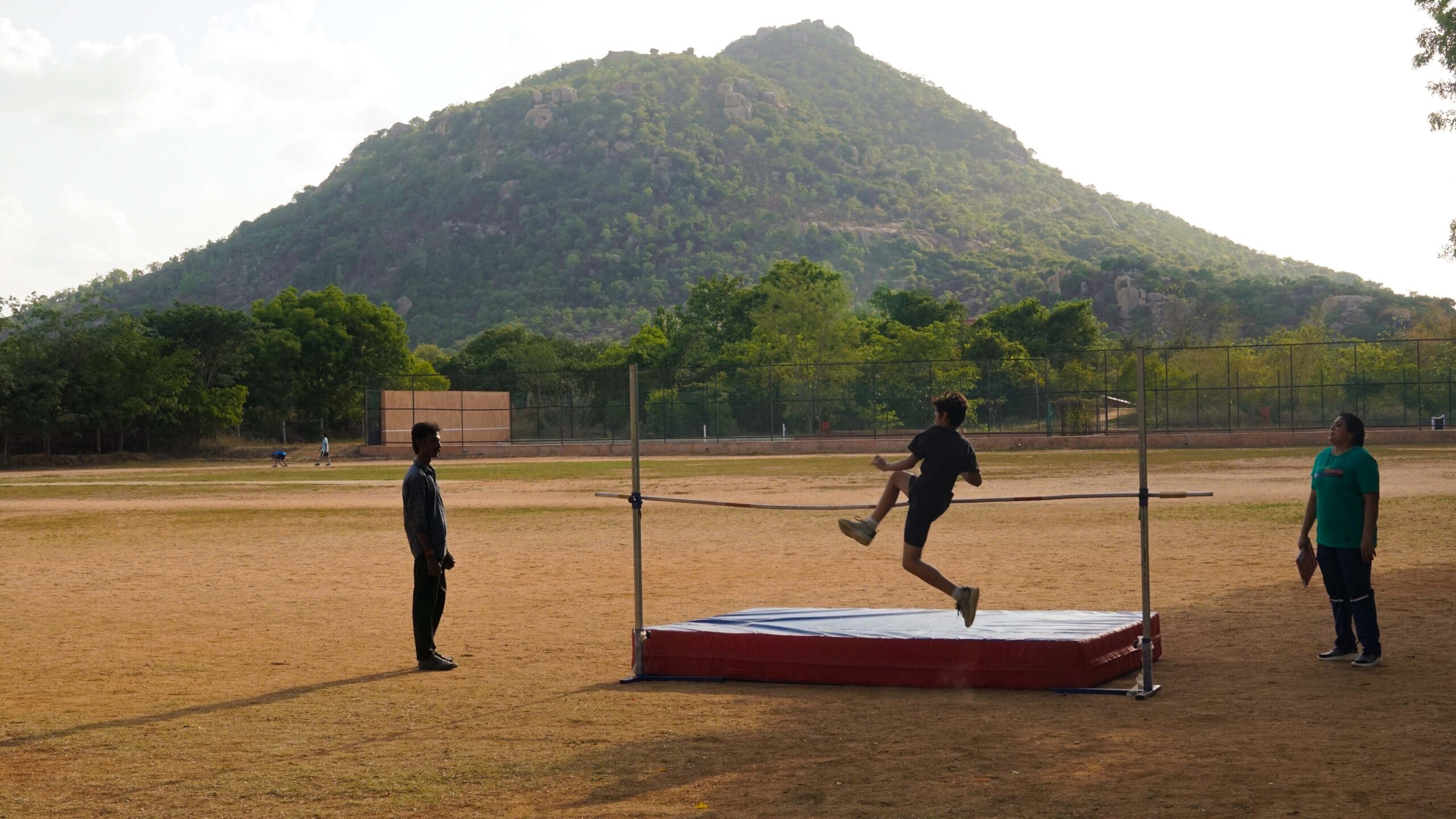
Sport is an essential part of school life. Students choose a discipline of their interest and receive structured, level-appropriate training through focused drills, ensuring steady progress and the satisfaction of personal improvement.

The school offers a wide range of sports, supported by modern facilities, including:

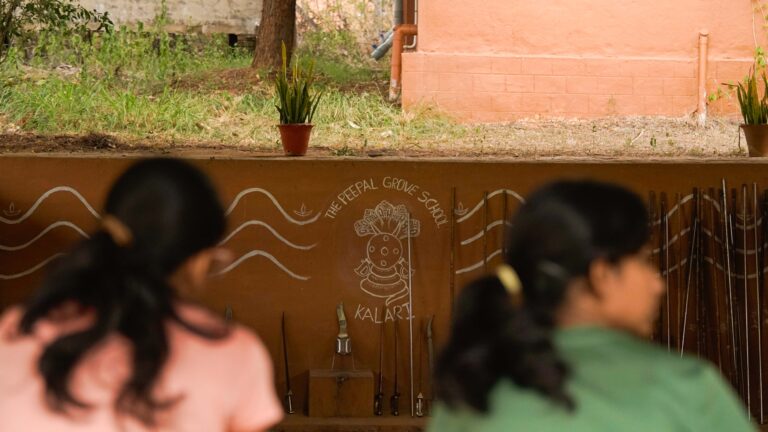
Kalaripayattu

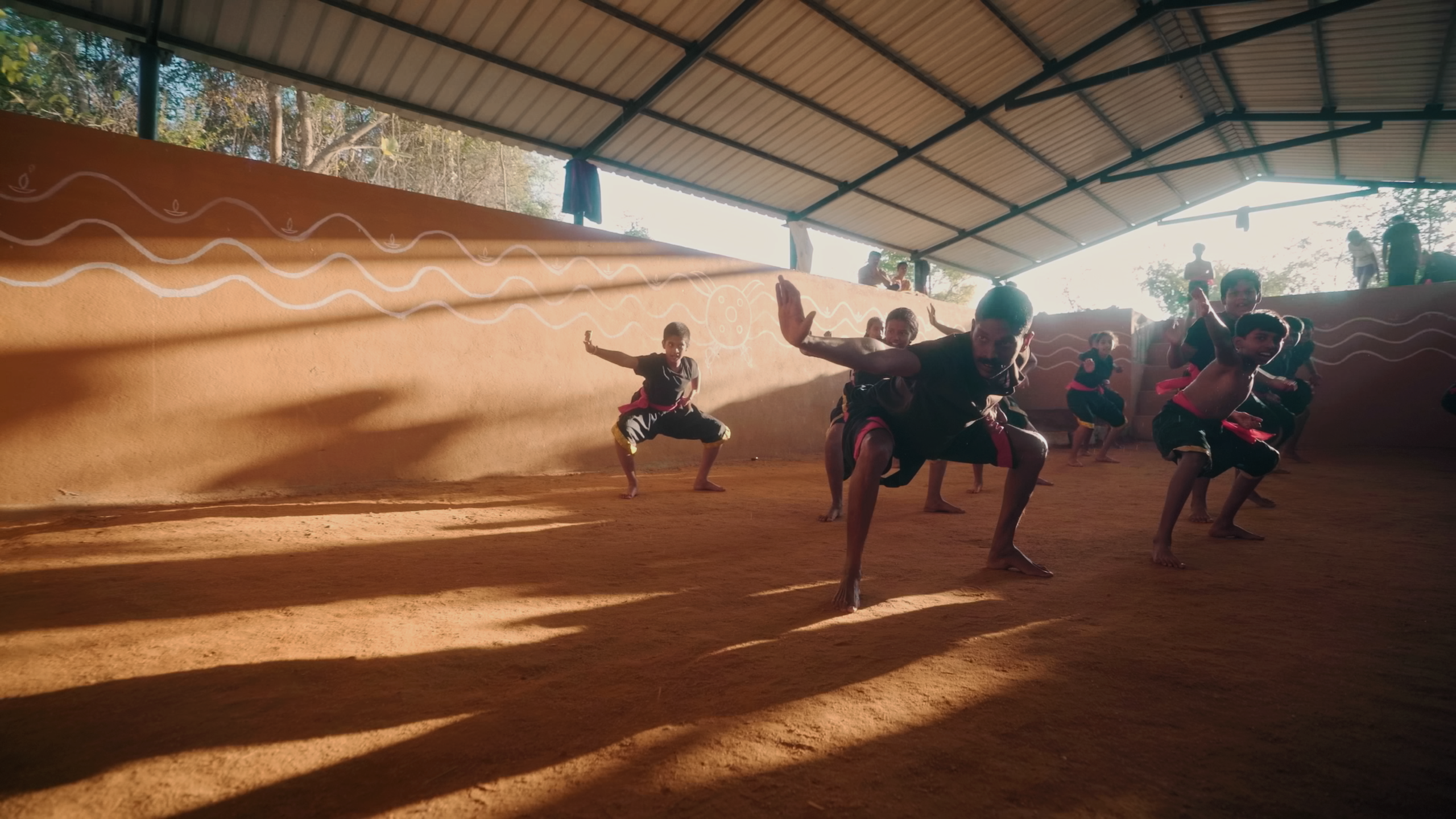
Kalaripayattu—the ancient martial art of Kerala—has been taught at The Peepal Grove School for over a decade. Students learn under masters from the esteemed Kalari lineage of Thacholi Othenan in Northern Kerala.  Classes begin with stretches and warm-ups, progressing to animal-inspired movements and sequences of defensive and offensive techniques that build strength, agility, and flexibility.

Beyond physical fitness, regular practice sharpens the mind, improves concentration, and enhances body awareness, supporting the holistic development of each child.

Yoga

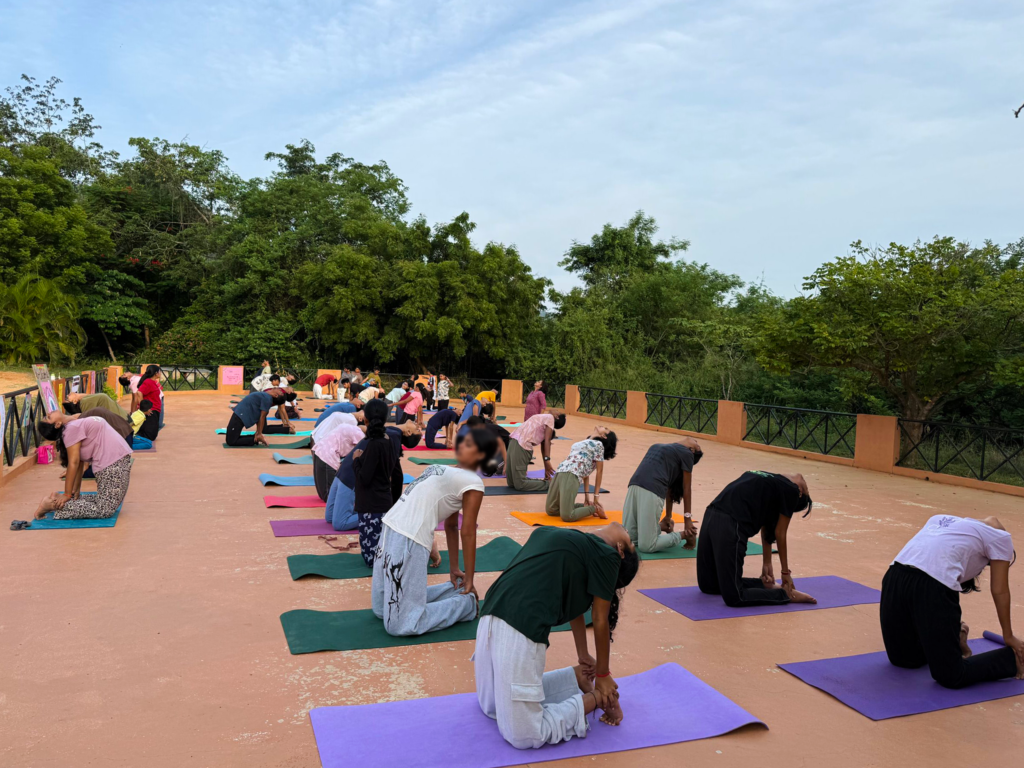
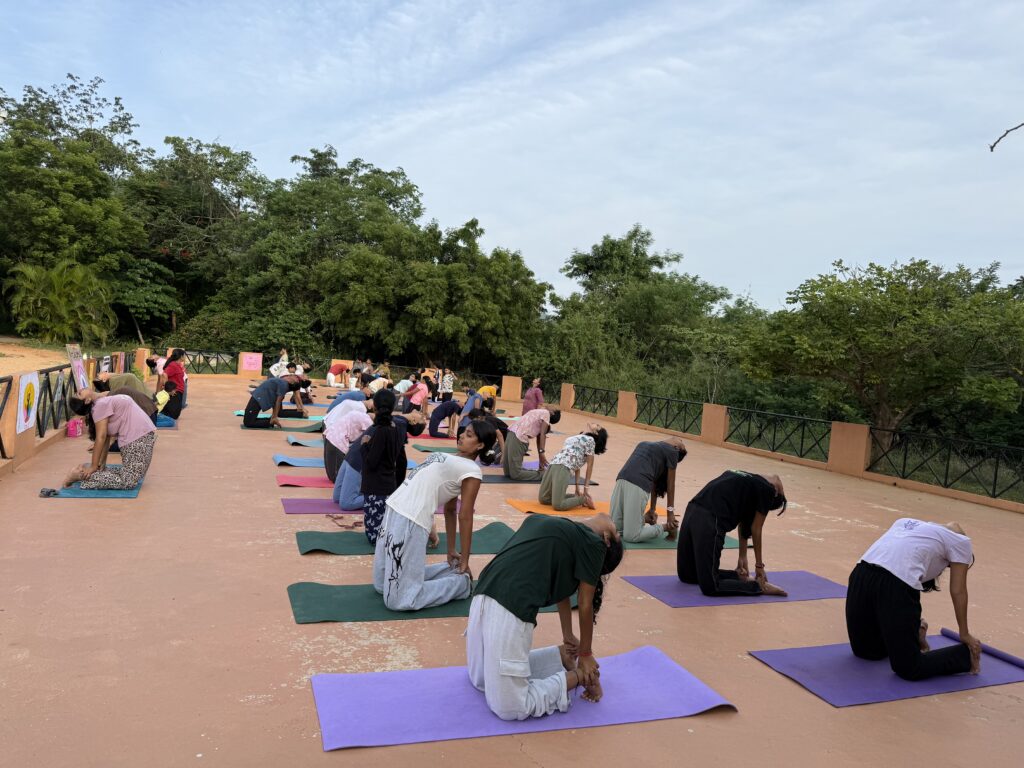
Yoga is an integral part of the daily routine, with children given the choice between yoga and athletics for their early morning activity. Beyond regular sessions, students are encouraged to extend their learning through service—organizing yoga camps in rural schools and helping underprivileged children experience the benefits of health, fitness, and well-being.

Art

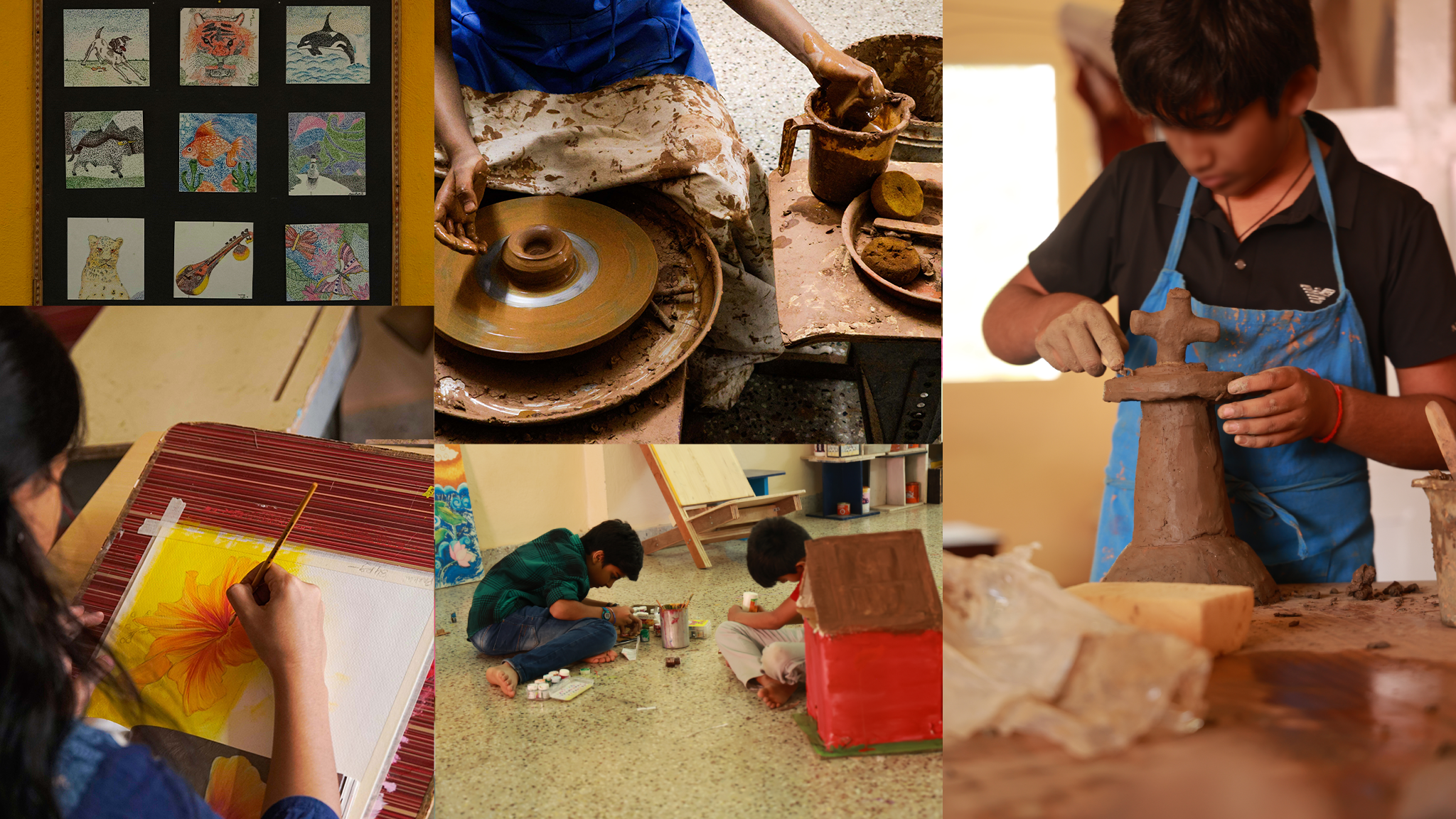
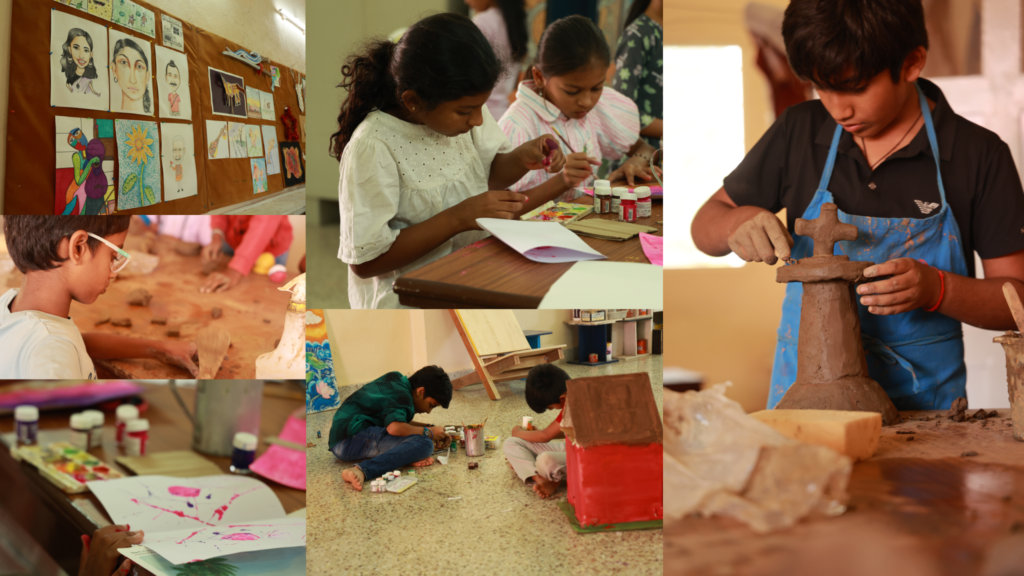
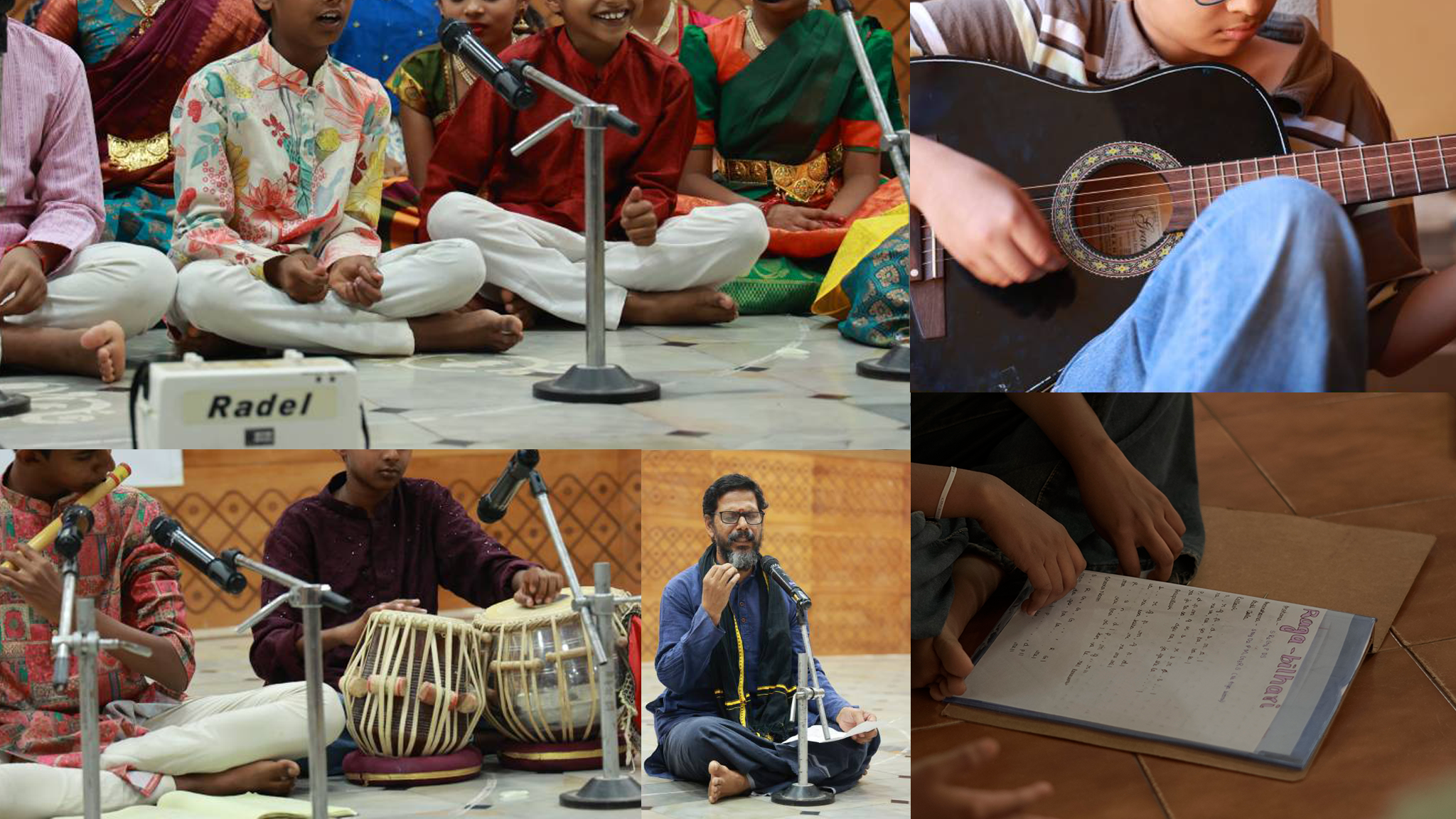
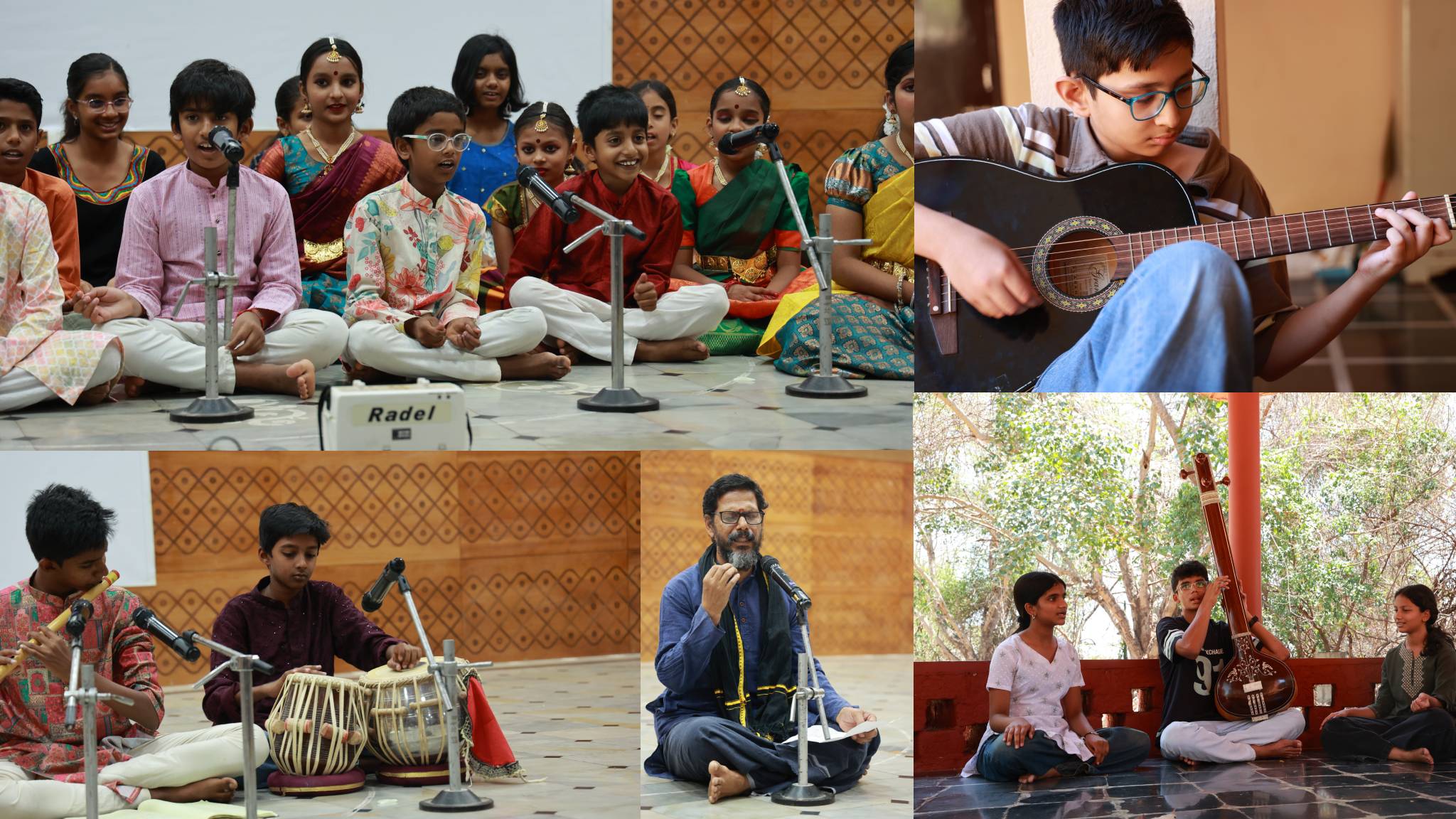
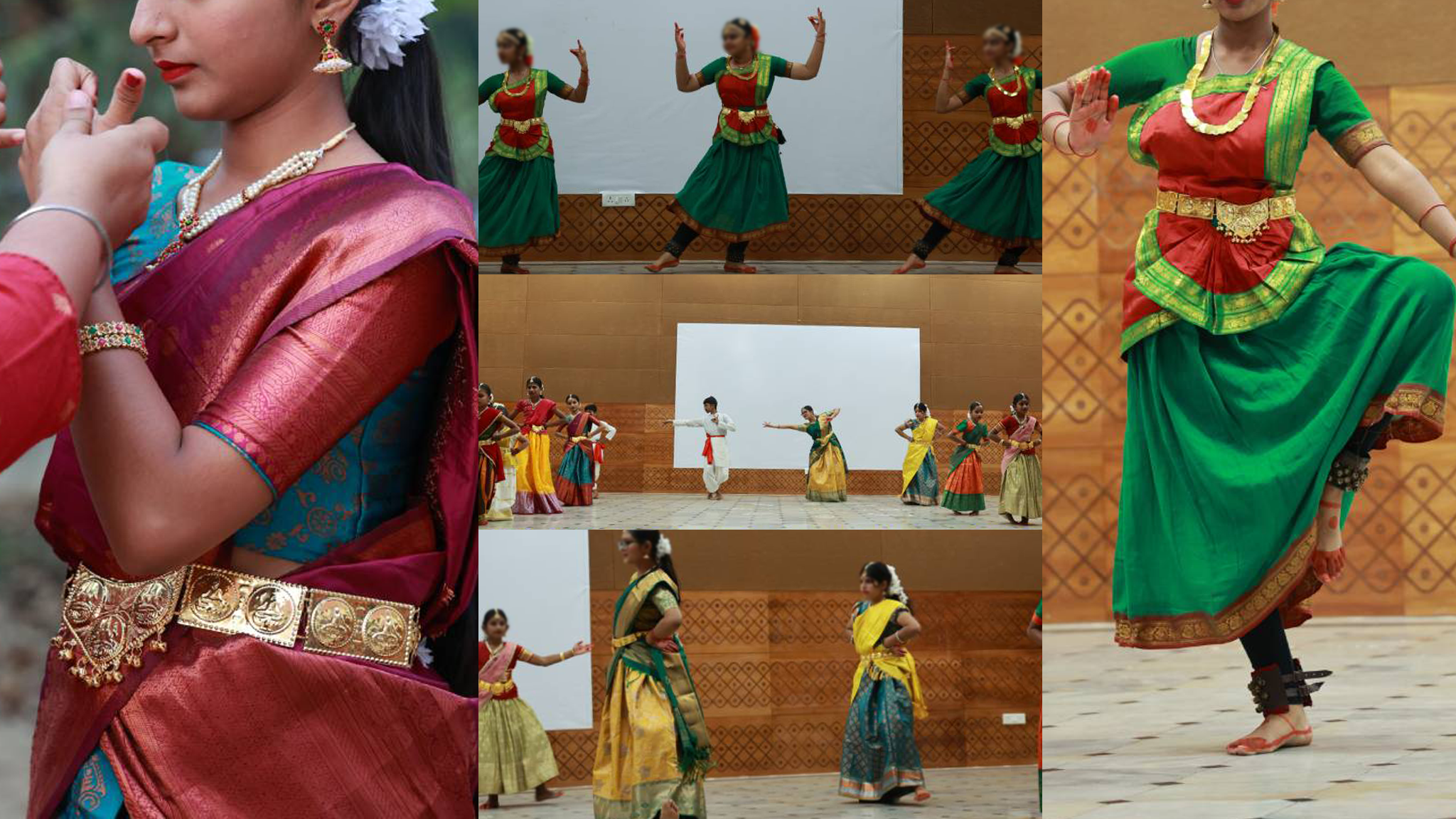
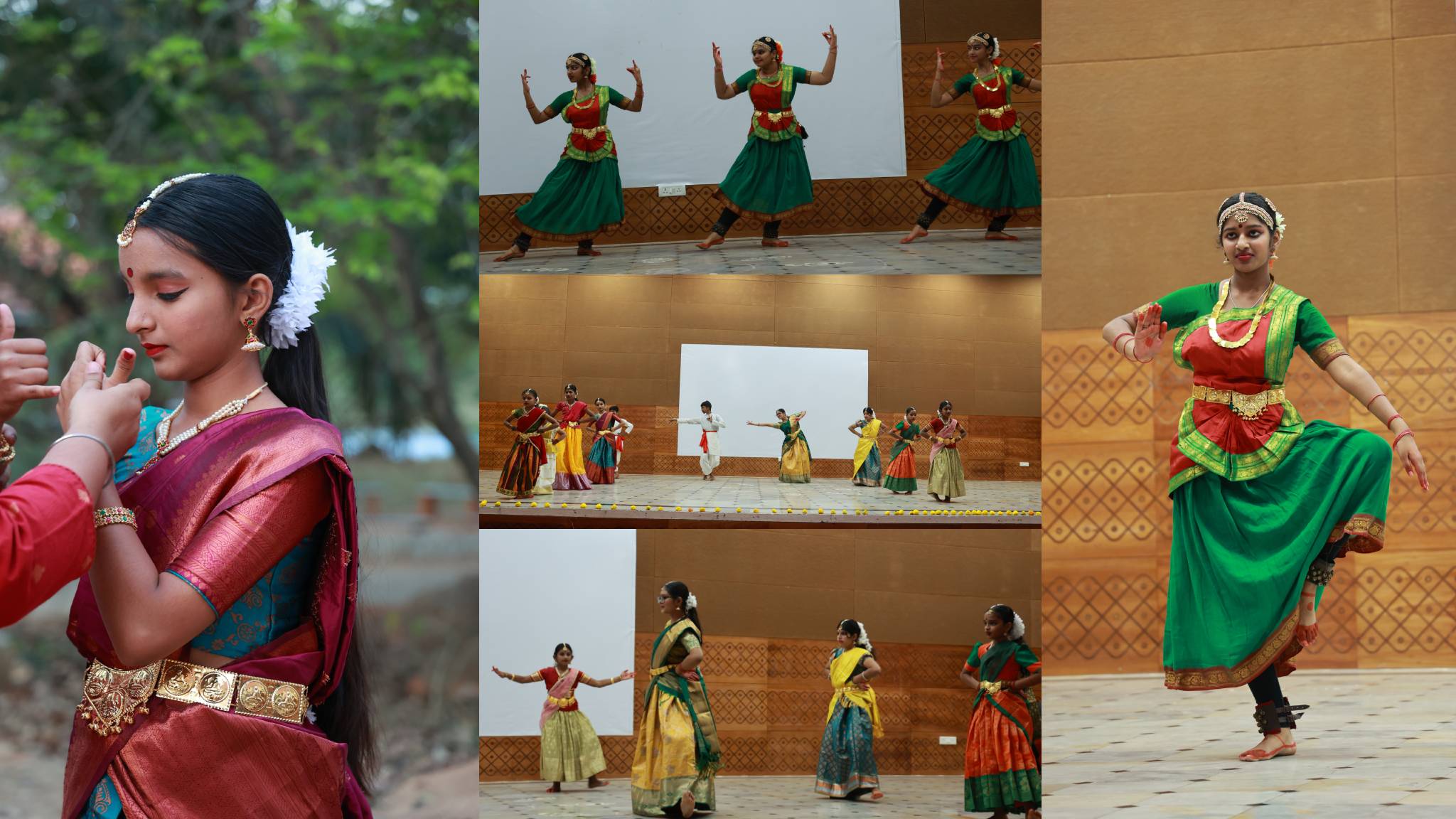
Art, music, dance, and drama offer children the freedom to explore their interests and express themselves creatively. They may choose from a range of art forms—including pottery, knitting, embroidery, stitching, sketching, painting, nature painting, and mixed media—while also pursuing Carnatic music and Bharatanatyam.

Theatre workshops with visiting experts each term add a dynamic dimension, encouraging storytelling and performance. SPIC MACAY performances further enrich this experience, exposing students to the depth and diversity of Indian classical arts. Together, these experiences nurture creativity, confidence, and a deep appreciation for India’s cultural heritage.

Music

Art, music, dance, and drama offer children the freedom to explore their interests and express themselves creatively. They may choose from a range of art forms—including pottery, knitting, embroidery, stitching, sketching, painting, nature painting, and mixed media—while also pursuing Carnatic music and Bharatanatyam.

Theatre workshops with visiting experts each term add a dynamic dimension, encouraging storytelling and performance. SPIC MACAY performances further enrich this experience, exposing students to the depth and diversity of Indian classical arts. Together, these experiences nurture creativity, confidence, and a deep appreciation for India’s cultural heritage.

Dance & Drama

Art, music, dance, and drama offer children the freedom to explore their interests and express themselves creatively. They may choose from a range of art forms—including pottery, knitting, embroidery, stitching, sketching, painting, nature painting, and mixed media—while also pursuing Carnatic music and Bharatanatyam.

Theatre workshops with visiting experts each term add a dynamic dimension, encouraging storytelling and performance. SPIC MACAY performances further enrich this experience, exposing students to the depth and diversity of Indian classical arts. Together, these experiences nurture creativity, confidence, and a deep appreciation for India’s cultural heritage.

Explore More

UNDER THE PEEPAL TREE

SABBATICAL AT TPGS

DIRECTOR’S PHILOSOPHY

FOUNDER SPEAKS